- Home
- Blogs
- About
- Services
- Group Companies
- Contact Us
- सुचना *

-
Call Us On:
+977 1 5320150, 5320160 -
Send us a Mail:
info@cargonepal.com.np -
Importing Industrial Equipment to Nepal in 2027: Freight, Customs Clearance and Delivery Planning
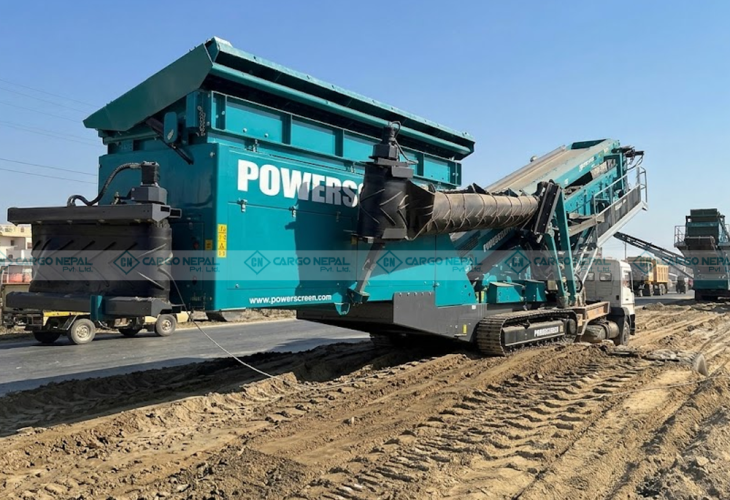
Importing industrial equipment into Nepal is a significant investment. Whether a business is purchasing manufacturing machinery, construction equipment, hydropower components, or specialized industrial systems, getting the equipment to its final destination requires careful planning.
The challenge does not end when the supplier dispatches the goods. Businesses must consider freight costs, transport routes, customs documentation, import duties, cargo handling, and inland delivery. For oversized or heavy machinery, even a small mistake in planning can lead to additional costs and unexpected delays.
As Nepal continues to develop its industrial, energy, and infrastructure sectors, reliable logistics will remain important for businesses importing machinery and equipment from international markets.
This is where Cargo Nepal Pvt. Ltd. can support businesses through freight forwarding, customs brokerage, inland haulage, logistics consulting, and project cargo coordination. With the right planning and a capable logistics partner, companies can manage the import process more efficiently and reduce avoidable complications.
In this guide, we explain what businesses should consider when importing industrial equipment to Nepal in 2027 and how Cargo Nepal can help coordinate the process.
Industrial machinery is different from ordinary commercial goods. Equipment can be heavy, oversized, expensive, fragile, or sensitive to environmental conditions. Some shipments consist of a single machine, while others involve multiple components that must arrive together for installation.
For example, a manufacturing company importing production machinery from China may need to coordinate factory dispatch, international freight, customs clearance, and transportation to its industrial premises. A hydropower project may require turbines, generators, steel structures, and other specialized components transported according to a construction schedule.
Without proper coordination, delays at one stage can affect the entire project.
Businesses should consider several factors before placing an import order:
· Equipment dimensions and weight: These determine handling requirements, loading arrangements, transport options, and vehicle selection.
· Shipping method: Air, ocean, rail, or road transportation may be appropriate depending on the shipment, origin, route, and urgency.
· Customs requirements: The equipment's classification, declared value, origin, and applicable import rules must be checked.
· Delivery location: Transporting equipment to a major commercial center may be different from delivering it to a remote factory, construction site, or hydropower project.
· Project deadlines: Equipment should be scheduled around installation, commissioning, and other operational requirements.
Planning these details early helps businesses make informed decisions before the shipment leaves the supplier.
Selecting the appropriate freight method is one of the most important decisions when importing industrial equipment to Nepal.
The right option depends on the size and weight of the shipment, the origin country, the available transport route, the delivery deadline, and the total logistics budget.
Ocean freight is commonly considered for heavy machinery, manufacturing equipment, industrial components, and large-volume consignments where transit time allows.
Since Nepal is landlocked, international ocean shipments generally require transit through an overseas seaport, followed by transportation through an available transit corridor into Nepal. The routing, port handling, and inland movement must be planned together.
Ocean freight can be suitable for businesses importing equipment in containers or arranging specialized handling for cargo that cannot fit into standard containers.
Before choosing this option, importers should confirm container suitability, cargo dimensions, loading requirements, estimated transit time, and potential port or terminal charges.
Air freight may be appropriate for urgent machinery parts, specialized instruments, electronic components, and smaller, high-value equipment.
It can help reduce transportation time compared with slower freight options, although availability and total transit time depend on the route and shipment requirements.
Air freight costs can also be considerably higher, particularly for heavy or bulky equipment. Airlines may calculate charges using actual or volumetric weight, depending on the applicable rules.
For this reason, businesses should compare the cost of urgent air shipments with the operational cost of waiting for a slower alternative.
Road transportation
Road freight is useful for equipment moving through regional trade corridors, including shipments originating in neighboring markets and for onward delivery within Nepal.
The most suitable road route depends on the origin, destination, cargo dimensions, border procedures, and available transport services.
For heavy or oversized machinery, road transportation requires particular attention to vehicle capacity, road conditions, bridge restrictions, loading arrangements, and access to the final delivery site.
Cargo Nepal Pvt. Ltd. provides freight forwarding and inland haulage services to help businesses coordinate suitable transportation arrangements for their shipments.
One common mistake importers make is focusing only on the supplier's equipment price and the initial freight quotation.
The actual landed cost may include several additional expenses. These should be considered before confirming the purchase order.
Depending on the shipment and applicable arrangements, costs may include:
· International freight charges
· Cargo insurance
· Origin handling and documentation fees
· Port, terminal, or transit-related charges
· Customs duties and applicable taxes
· Customs brokerage and clearance expenses
· Inland transportation to the delivery location
· Loading, unloading, lifting, and special handling
· Storage, demurrage, or detention charges where applicable
Not every shipment will incur every charge. The final cost depends on the equipment, route, Incoterms, customs classification, and service arrangements.
For example, a machine purchased at a competitive price may become significantly more expensive if it requires special lifting equipment, additional storage, or an unplanned transport arrangement.
Businesses should therefore request a detailed freight and logistics quotation before finalizing the purchase.
It is also important to understand the difference between a freight quotation and a complete landed-cost estimate. Freight charges alone do not necessarily include customs duties, taxes, insurance, or every expense associated with delivery.
Cargo Nepal can help businesses coordinate the logistics side of their imports and understand the transportation and handling requirements involved.
Customs documentation is a critical part of importing industrial equipment into Nepal.
Missing documents, inconsistent descriptions, incorrect product classification, or discrepancies in declared values can lead to questions from customs authorities and delays in clearance.
The exact documentation depends on the type of equipment, its origin, the import arrangement, and the regulations applicable at the time of import.
Common documents may include:
Commercial invoice: Provides the equipment description, supplier and buyer details, declared value, and other transaction information.
Packing list: Identifies the packages, quantities, weights, dimensions, and packing details.
Bill of lading or air waybill: Provides the transport document relevant to the shipping method.
Certificate of origin: Establishes the declared origin of the goods when required for the import or a specific trade arrangement.
Import permissions and product-specific documents: Certain machinery or equipment may require additional approvals, certificates, or compliance documents.
Insurance documents: Relevant where insurance is arranged and documentation is required.
Other supporting documents: Purchase orders, technical specifications, payment-related documents, and other records may be requested depending on the transaction.
Importers should also confirm their business registration, EXIM Code, and other applicable trade requirements before the shipment is dispatched.
The Harmonized System (HS) code is used to classify goods for customs purposes. The correct classification can affect applicable duty rates, taxes, and import requirements.
Industrial equipment may look similar but fall under different classifications because of differences in function, design, capacity, or intended use.
Businesses should not rely on a supplier's description alone when determining the correct customs classification in Nepal. The classification and associated requirements should be verified against the applicable customs tariff and official rules.
Cargo Nepal's customs brokerage services can support the coordination of customs clearance and related documentation, helping importers address requirements before the cargo arrives.
Customs clearance should not be treated as a task to begin only after the equipment reaches Nepal.
Advance preparation allows businesses to identify missing documents, clarify product descriptions, review the applicable import requirements, and coordinate the next stage of transportation.
A practical preparation process includes the following steps:
1. Review the purchase documents. Check that the invoice, packing list, and transport documents contain consistent information.
2. Confirm the customs classification. Verify the appropriate HS code and applicable duties, taxes, and restrictions.
3. Check permits and approvals. Establish whether the specific equipment requires additional documentation or authorization.
4. Coordinate with the logistics provider. Share cargo details, shipment schedules, and relevant documents early.
5. Prepare for assessment and clearance. Allow time for customs review, inspection where applicable, and settlement of required charges.
6. Arrange onward transportation. Coordinate vehicles, loading equipment, and delivery access before the cargo is released.
Customs processing time can vary according to the shipment, documentation, inspection requirements, and operational conditions. Businesses should avoid treating an estimated clearance date as a guarantee.
A well-prepared shipment gives the importer and logistics team a better opportunity to manage delays and respond to issues before they affect the project schedule.
For many industrial imports, inland delivery is one of the most technically demanding stages of the journey.
A shipment may arrive at a port, terminal, or border facility without being ready for direct movement to its final destination. Depending on the cargo, additional handling, temporary storage, trans loading, or specialized vehicles may be necessary.
Before arranging transport, businesses should provide accurate details about the equipment.
These should include:
· Total weight and dimensions of each package
· Centre of gravity and lifting points, where relevant
· Packaging type and handling instructions
· Whether the equipment can be dismantled into smaller components
· Loading and unloading requirements
· Site access restrictions and road conditions
· Delivery location and expected arrival schedule
For oversized machinery, the transport plan may also need to account for vehicle turning space, overhead clearance, bridge capacity, route restrictions, and any required permissions.
For example, delivering equipment to an industrial facility near a major highway may present different challenges from transporting a large turbine component to a remote hydropower construction site.
The delivery team should confirm that the equipment can safely reach the unloading location before dispatch.
Cargo Nepal's inland haulage, project shipment, and logistics consulting services can help businesses coordinate transportation requirements based on the nature of their cargo.
Nepal's hydropower and infrastructure projects can require the movement of large, heavy, or specialised equipment. Such shipments often involve multiple parties, strict delivery sequences, and demanding site conditions.
Project cargo may include turbines, generators, transformers, industrial boilers, steel structures, production lines, and other equipment that requires specialised transportation planning.
Unlike ordinary cargo, project shipments may need a coordinated plan covering several stages:
Shipment assessment: Review dimensions, weight, packaging, lifting requirements, and any special handling considerations.
Route planning: Identify suitable transport routes and assess possible restrictions along the journey.
Freight coordination: Arrange the appropriate transportation method and coordinate the shipment schedule.
Customs and documentation: Prepare the required documents and coordinate clearance procedures.
Inland delivery: Plan vehicle arrangements, cargo handling, and delivery to the project site.
Unloading coordination: Confirm that the destination has suitable access, lifting equipment, and personnel ready to receive the cargo.
Timing is particularly important when machinery is required for a specific installation phase. A delay in one major component can affect other contractors, equipment installation, and project completion.
For this reason, project managers should involve their logistics partner during procurement planning rather than waiting until the equipment is ready for dispatch.
Cargo Nepal Pvt. Ltd. offers project shipment and survey services alongside freight forwarding, customs brokerage, and inland haulage. These services can help businesses coordinate complex cargo movements and address transportation requirements before dispatch.
Industrial equipment can be expensive to repair or replace. Proper packing, handling, and insurance planning are therefore important parts of the import process.
The appropriate protection depends on the equipment's construction, sensitivity, dimensions, and transport conditions.
Businesses should consider the following precautions:
Use suitable packaging. Heavy equipment may require reinforced crates, secure skids, protective wrapping, or purpose-built packaging.
Protect against moisture and corrosion. Metal machinery and electrical components may require suitable barriers, desiccants, or other protection against moisture exposure.
Secure the cargo properly. Equipment must be adequately restrained during loading and transportation to reduce the risk of movement or impact damage.
Identify handling requirements. Clear markings and lifting instructions help personnel handle the equipment appropriately.
Arrange suitable insurance. Businesses should review cargo insurance coverage, exclusions, valuation, and the claims process before shipment.
Cargo insurance should not be assumed to cover every possible loss. Importers should confirm the terms and conditions of their policy and ensure that the selected coverage suits the equipment and route.
These precautions can help reduce avoidable damage and protect the investment made in imported machinery.
Even experienced businesses can face problems when logistics planning begins too late.
The following mistakes are worth avoiding.
Ordering equipment without checking import requirements: Confirm the applicable permissions, standards, and customs classification before finalizing the transaction.
Underestimating the landed cost: Include relevant freight, handling, customs, taxes, insurance, and inland delivery expenses in the budget.
Providing incomplete cargo dimensions: Inaccurate weight or dimensions can result in unsuitable transport arrangements and additional charges.
Waiting until arrival to organize customs clearance: Prepare documentation and coordinate with the relevant service providers in advance.
Ignoring the final delivery site: Check access roads, unloading arrangements, lifting equipment, and site readiness before dispatch.
Assuming every shipment follows the same route: The best route depends on origin, destination, cargo characteristics, cost, and the available transport options.
Choosing a logistics provider based only on price: Compare the scope of services, handling capability, communication, route knowledge, and transparency of the quotation.
Avoiding these mistakes will not eliminate every logistical challenge, but it can help businesses make better decisions and reduce unnecessary costs.
Importing machinery involves more than arranging transportation. Businesses need to coordinate freight, documentation, customs procedures, and inland delivery while keeping the overall project schedule in mind.
Cargo Nepal Pvt. Ltd. provides logistics services that can support businesses importing industrial equipment into Nepal.
Its services include:
· Air freight and ocean freight
· Train freight and inland haulage
· Customs brokerage
· Logistics consulting
· Project shipment services
· Survey services for large project shipments
By coordinating the relevant logistics activities, Cargo Nepal can help importers plan their shipments around cargo requirements, transport arrangements, and delivery needs.
Whether your business is importing production machinery, industrial components, construction equipment, or specialized project cargo, the first step is to share accurate shipment details and discuss the available logistics options.
A useful quotation should clearly explain the proposed transportation arrangements, the services included, the charges covered, and any additional expenses that may apply.
Businesses should also confirm the expected schedule and identify any requirements that could affect transit or delivery.
Cargo Nepal aims to help businesses manage the practical challenges of moving goods through international and regional trade routes into Nepal.
If you are planning to import industrial equipment in 2027, contacting a logistics provider early can help you assess the available options before the shipment is dispatched.
To receive a more useful freight quotation, prepare the following information:
1. Equipment description: What machinery or equipment are you importing?
2. Origin: Which country, city, or supplier location will the shipment depart from?
3. Destination: Where in Nepal does the equipment need to be delivered?
4. Dimensions and weight: What are the measurements and gross weight of each package?
5. Cargo value: What is the declared or estimated commercial value?
6. Shipping schedule: When will the equipment be ready for dispatch, and when is delivery required?
7. Special requirements: Does the equipment need oversized transport, special lifting arrangements, protective packaging, or additional documentation?
If available, share the supplier's quotation, packing list, equipment specifications, and preferred Incoterms. These details help the logistics team assess the shipment more accurately.
For shipments that are still being planned, an early discussion can help identify potential transport constraints and clarify the information needed to prepare a quotation.
If your company is planning to import industrial machinery, heavy equipment, or project cargo into Nepal in 2027, contact Cargo Nepal to discuss your freight forwarding and logistics requirements.
Cargo Nepal Pvt. Ltd.
Address: Kantipath, Kathmandu, Nepal
Telephone: +977 1 5320150 / +977 1 5320160
Email: info@cargonepal.com.np
Discuss your cargo details, proposed route, delivery location, and expected schedule to explore suitable logistics arrangements for your shipment.
Importing industrial equipment to Nepal in 2027 requires a clear understanding of freight options, customs documentation, applicable import requirements, and inland transportation. These factors should be considered together because decisions made at the purchasing stage can influence the cost, timing, and practical handling of the shipment.
For businesses involved in manufacturing, construction, hydropower, and industrial development, early logistics planning can make the import process easier to manage.
Cargo Nepal Pvt. Ltd. supports businesses through freight forwarding, customs brokerage, inland haulage, logistics consulting, and project shipment services. With accurate cargo information and proper coordination, importers can make more informed transportation decisions and prepare for the challenges associated with moving industrial equipment into Nepal.
Planning an industrial equipment shipment to Nepal in 2027? Contact Cargo Nepal Pvt. Ltd. to discuss your cargo requirements and request a freight quotation tailored to your shipment.